









VAULT Cloud by DnA IT. Advanced cloud services for production and disaster-recovery infrastructure

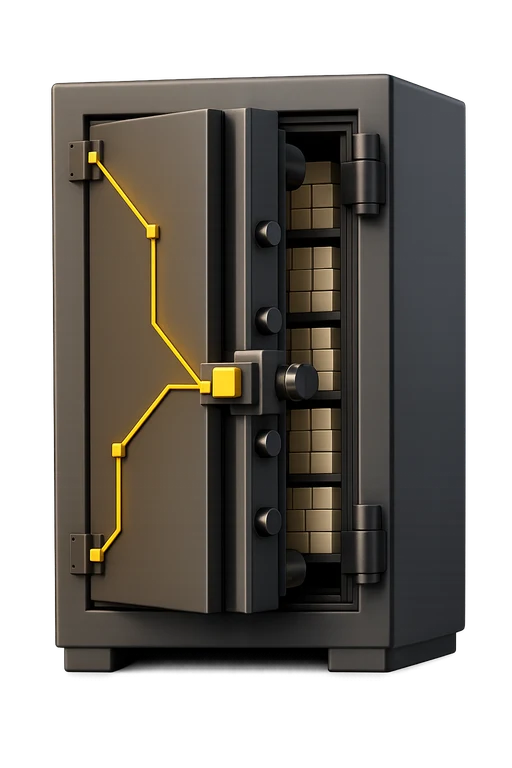
Illustration of a half-open secure vault with neatly arranged data blocks inside

VAULT Cloud

VAULT Cloud is an established cloud platform spread across several data centers in Israel, providing core services on the same Nutanix-based infrastructure: Data Center as a Service, production infrastructure as a service in a cloud model, and Disaster Recovery as a Service. The platform provides All-Flash performance, infrastructure protection based on write-protected snapshots, a separated multi-tenant network and a pay-as-you-go model.

Core services on the same infrastructure

Production infrastructure as a service and disaster recovery as a service, on a Nutanix cloud in data centers in Israel.

VAULT Cloud: Data Center as a Service

Central compute infrastructure as a service in a cloud model, for production environments. Growth with no limit, resources and costs added or removed as the business needs, and an infrastructure that is transparent and separated for each customer.

VAULT Cloud DRaaS: disaster recovery as a service

A recovery site in the cloud without building a second physical site, and without the cost of fixed assets, hardware, software, maintenance and staff. Servers start immediately from the replica, according to the organization's RPO and RTO requirements, with resources allocated as needed when the event occurs. Internet connectivity, transmission lines and firewall policy are planned in advance, and a "cold" emergency drill is easy to run.

Enterprises choose VAULT Cloud because:

Flexible growth, no limit

Add and remove resources and costs according to business need, with no hardware purchase and no fixed costs.

Data protection

Write-protected snapshots at the infrastructure level allow immediate recovery from human error, malicious code and encryption, or a logical failure.

Fast return

Servers come up immediately from the replica at the recovery site, and recovery speed is measured in minutes.

Cost savings

No fixed-asset, hardware, software, maintenance or staffing costs for a production site or a recovery site.

Service Components

  1. Data Center as a Service · Production

    Compute, storage and networking infrastructure as a service for production environments, on a Nutanix cluster built from "Lego" bricks, with resources added and removed as needed.

  2. DRaaS · Disaster Recovery

    A recovery site in the cloud: servers start immediately from the replica, according to the organization's RPO and RTO requirements.

  3. Snapshots · Data Protection

    Infrastructure-level snapshots, write-protected, application consistent and agentless, with one-click recovery.

  4. Multi-Tenant · Isolation

    Transparent and separated consumption of compute and storage using Private VLANs and network segmentation.

  5. Network · 100Gbps

    Connections of over 100Gbps on spine switches, and a logical split into separate networks for each customer in dedicated profiles and speeds.

  6. All-Flash · Performance

    Modern All-Flash storage and compute, with a commitment of at least 2,000 IOPS and 2ms latency per VM.

What the Data Center as a Service includes

VAULT Cloud provides central compute infrastructure as a service in a cloud model, on modern Nutanix-based infrastructure.

Compute, storage and networking

Infrastructure as a service for compute, storage and data networking.

Backup storage

Infrastructure as a service for storing backups outside the infrastructure.

Transmission lines

Transmission line connections between the hosting facility and the company's offices.

Dedicated internet

An internet connection with dedicated bandwidth for the service.

Microsoft licensing

Microsoft licensing for operating systems.

Customer-managed firewall

Firewall services that let the customer manage the policy independently, with network configurations that follow the required topology.

Around-the-clock support

Support for the service 24/7.

What you get in the DRaaS service

A business continuity strategy must ensure that critical services keep running when an event occurs: an outage, weather damage, terror, a cyberattack or human error.

Cost savings

No fixed-asset, hardware, software, software maintenance, management or staffing costs for a recovery site.

Fits RPO and RTO

A solution matched to the organization's RPO and RTO requirements.

Immediate activation

The ability to start servers immediately from the replica at the recovery site.

Resources as needed

Resources allocated as required when the event occurs.

Planned in advance

Internet connectivity, transmission lines and firewall policy planned in advance.

A "cold" emergency drill

A simple, easy-to-run "cold" emergency drill.

Snapshots: immediate data protection

The storage infrastructure runs snapshot technology at the infrastructure level, write-protected, for immediate recovery from human error, malicious code and encryption, or a logical failure.

Protected from ransomware

Snapshots are write-protected, and can be mounted as Read Only or Read/Write as needed.

Application consistent, agentless

Snapshots are application consistent, with no need to install an agent, and allow a certain recovery when needed.

A recovery point by policy

Set for each server, down to log rolling resolution according to the database's capabilities. Minimum frequency: a snapshot every hour.

No limit, no performance impact

No limit on the number of snapshots and no impact on performance. Each snapshot is independent, with no dependency on forward or backward versions.

Saved at the block level

Snapshot changes are saved at the block level inside the infrastructure.

One-click recovery

No volume limit, to the original server or "aside". Recovery speed is measured in minutes and is self-service.

Guaranteed performance

A commitment of at least 2,000 IOPS and 2ms latency per VM, at All-Flash level.

Billed by total volume

The snapshot volume is taken from the customer's volume allocation and billed by total volume: source data and snapshots.

High-standard, advanced facilities

Adapting the solution to the customer, not the customer to the solution.

Unlimited power supply

Flexible power supply, with no limit.

Carrier neutrality

Neutrality in contracts with telecommunications companies, and integration.

Equipped work rooms

Equipped, comfortable work rooms that allow secure access to the servers.

Recommended implementation process

  1. Discovery

    Define the type of service, production, disaster recovery or both, the RTO and RPO targets, storage volumes and critical systems.

  2. Design

    Plan in advance the internet connectivity, transmission lines and firewall policy, and the customer's network profiles.

  3. Implementation

    Set up the production environment or the recovery setup in the cloud on Nutanix, including encrypted replication and a "cold" emergency drill.

  4. Service

    Around-the-clock support, and ongoing management and monitoring of the infrastructure and of synchronization health.

Use cases in the organization

Production infrastructure as a service

Run production systems on a local, Nutanix-based cloud infrastructure, adding and removing resources as needed.

Disaster recovery

A fast return to work after an outage, weather damage, terror, a cyberattack or human error.

Off-site backups

Storing backups outside the organization's infrastructure, on infrastructure as a service.

Frequently asked questions

What services does VAULT Cloud provide?

Core services on the same infrastructure: Data Center as a Service (VAULT Cloud), production infrastructure as a service in a cloud model, and DRaaS, disaster recovery as a service. Each can be used separately, or both together.

What is VAULT Cloud's Data Center as a Service?

Central compute infrastructure as a service on a modern architecture that allows growth with no limit, with resources and costs added or removed as the business needs. The service includes compute, storage and data networking infrastructure, off-site backup storage, transmission lines, dedicated internet, Microsoft licensing, firewall services managed by the customer and around-the-clock support.

How is the infrastructure separated between customers?

Consumption is transparent and separated using multi-tenancy, Private VLANs and network segmentation. The infrastructure is connected at over 100Gbps on spine switches, and the logical split allows separate networks for each customer in dedicated profiles and speeds.

How does VAULT Cloud protect the data?

With infrastructure-level snapshots, write-protected against ransomware, agentless and application consistent. There is no limit on the number of snapshots, no impact on performance, and each snapshot is independent. The minimum snapshot frequency per server is once an hour.

How fast can data be restored?

Recovery speed is measured in minutes, at the push of a button and self-service, with no volume limit. You can restore to the original server or "aside", and mount a snapshot as Read Only or Read/Write. The recovery point is set by policy for each server, down to log rolling resolution.

How does the DRaaS service work?

The platform starts servers immediately from the replica at the recovery site, according to the organization's RPO and RTO requirements, with resources allocated as needed. Connectivity, transmission lines and firewall policy are planned in advance, and a "cold" emergency drill is easy to run.

What are the payment model and the performance?

The payment model is flexible, by actual use, and moves the cost to operating expense. The snapshot volume is taken from the customer's volume allocation and billed by total volume, source data plus snapshots. Storage performance is guaranteed at a minimum of 2,000 IOPS and 2ms latency per VM.

All articles

Let's advance your organization

We'd be glad to review with you which parts of your information systems are ready for an upgrade, and to propose technology solutions backed by decades of hands-on field experience.

Book a meeting
Book a meeting